Get Smart Home Automation
Smart Home Automation services help property owners enhance convenience, security, and control by connecting and managing devices like lighting, thermostats, and security systems through local contractors.
Smart home automation services offer property owners a practical way to enhance convenience, security, and energy efficiency within their homes. Whether considering a system upgrade or planning a new installation, understanding the options available locally can help in making informed decisions. Property owners often explore automation to simplify daily routines, improve home management, or increase control over various systems, making it a valuable addition to many residential properties.
For those interested in pursuing smart home automation projects, comparing local contractors can provide clarity on available services and expertise. Connecting with experienced service providers in the area can help ensure the chosen solutions align with specific needs and preferences. Continuing to explore options and gather information can support making confident choices for modernizing a home with automation technology.
- Smart Lighting Installation - when homeowners want to automate and customize their lighting systems for convenience and energy efficiency.
- Home Theater Setup - for those looking to create a seamless, integrated entertainment experience in their living spaces.
- Security System Integration - when securing a property with smart cameras, alarms, and access controls is a priority.
- Automated Climate Control - for residents seeking to optimize heating and cooling with smart thermostats and sensors.
- Voice Control System Installation - when integrating voice assistants to manage smart devices for hands-free operation.
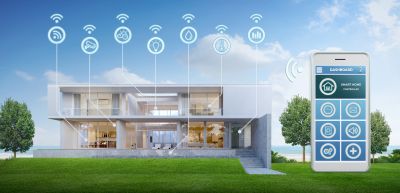
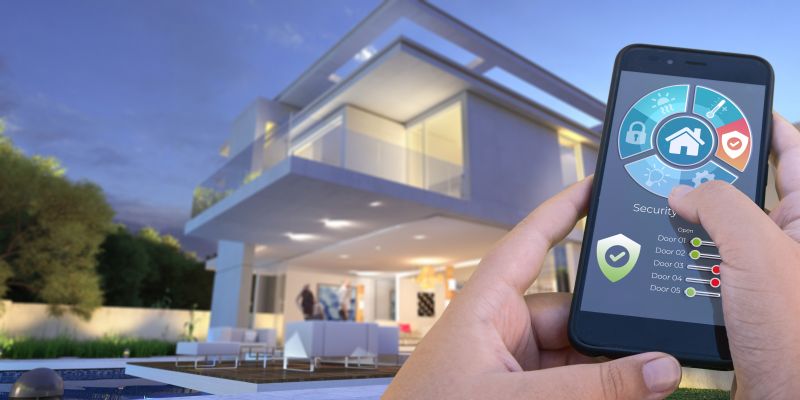
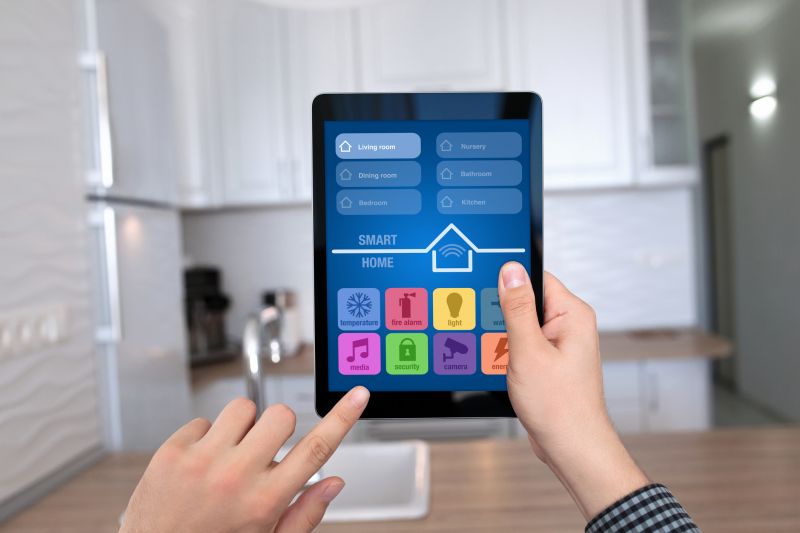
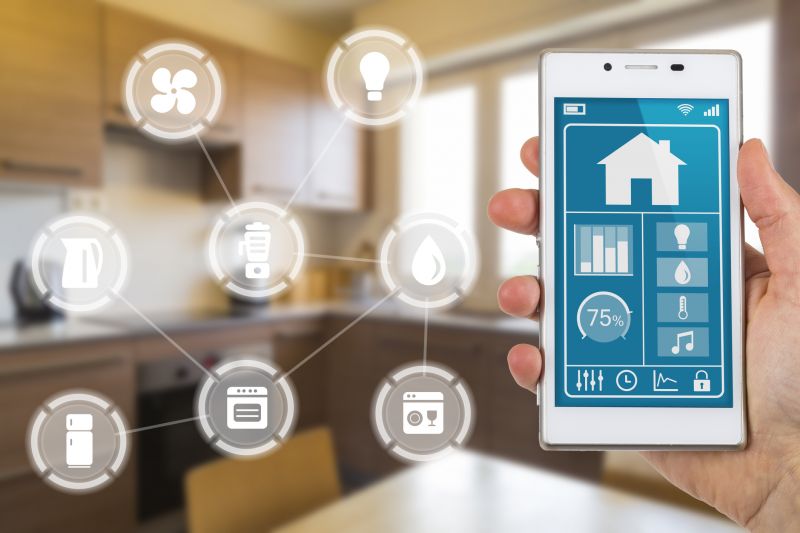
Smart home automation services involve integrating various household systems and devices to operate seamlessly through centralized control. This typically includes smart lighting, thermostats, security cameras, door locks, and entertainment systems. By connecting these components, homeowners can manage their home environment more efficiently and conveniently, often through smartphone apps, voice commands, or automated schedules. These services aim to simplify daily routines and enhance the overall functionality of a residence, making everyday tasks more manageable and reducing the need for manual control of multiple devices.
One common problem that smart home automation addresses is the complexity of managing multiple home systems separately. For example, adjusting lighting, temperature, and security often requires interacting with different devices or apps. Automation can synchronize these functions, allowing homeowners to set scenes or routines, such as turning on lights and adjusting the thermostat when entering a room or activating security features when leaving. Additionally, automation can improve energy efficiency by optimizing device operation based on occupancy patterns or time of day, helping to reduce utility costs and enhance home comfort.
Smart home automation services are frequently used in a variety of property types, including single-family homes, condominiums, and multi-unit residential buildings. They are also suitable for commercial properties like small offices or retail spaces seeking streamlined control over their environment. These systems are adaptable to different property sizes and layouts, providing scalable solutions that can be customized to meet specific needs. Whether for new construction or existing properties, local contractors can help integrate automation technology to enhance convenience, security, and energy management.
Homeowners who experience challenges such as forgetting to turn off lights, adjusting thermostats manually, or managing multiple security devices may find smart home automation particularly helpful. It is also beneficial for those seeking to improve their home’s security or increase energy efficiency without extensive manual effort. Typically, properties with modern wiring or those undergoing renovations are well-suited for automation upgrades. Local service providers can evaluate the property and recommend tailored solutions that fit the layout, lifestyle, and budget, making smart home automation a practical upgrade for many households.
The overview below groups typical Smart Home Automation projects into broad ranges so you can see how smaller, mid-sized, and larger jobs often compare in your area.
In many markets, a large share of routine jobs stays in the lower and middle ranges, while only a smaller percentage of projects moves into the highest bands when the work is more complex or site conditions are harder than average.
Smaller Repairs - Basic fixes like replacing a single smart light or fixing a thermostat typically cost between $150 and $400. Many routine jobs fall within this range, depending on the device and complexity.
System Installations - Installing a new smart home system or integrating multiple devices generally ranges from $1,000 to $3,000. Larger projects with more components tend to push costs toward the higher end of this spectrum.
Full Home Automation - Comprehensive automation setups for entire homes can range from $5,000 to $20,000+ for more extensive, custom installations. These projects are less common but offer extensive control and customization.
Maintenance & Upgrades - Routine upgrades or ongoing maintenance services usually cost between $200 and $600 per visit. Many local contractors offer regular service plans that help keep systems running smoothly within this range.
Actual totals will depend on details like access to the work area, the scope of the project, and the materials selected, so use these as general starting points rather than exact figures.
Lighting Automation Projects - local contractors can install and program smart lighting systems that enhance convenience and energy efficiency within homes.
Home Security System Installations - service providers can set up integrated security solutions, including cameras, sensors, and remote monitoring features.
Audio and Video System Setups - local pros can configure multi-room audio, smart TVs, and home theater systems compatible with automation platforms.
Climate Control Automation - contractors can install smart thermostats and HVAC controls that allow remote management and scheduling.
Intercom and Communication Systems - local service providers can integrate smart intercoms and communication devices for seamless home communication.
Window and Door Automation - specialists can install motorized blinds, curtains, and automated door systems to improve convenience and security.
When comparing service providers for Smart Home Automation projects, it’s important to consider their experience with similar types of work. A contractor who has successfully handled projects comparable in scope and complexity can offer valuable insights into what to expect and how to approach the installation or integration process. Asking about past projects or reviewing their portfolio can help ensure that the contractor understands the specific needs of a home automation system and has a track record of delivering reliable results.
Clear, written expectations are essential for a smooth working relationship. Reputable local contractors should be able to provide detailed descriptions of the services they offer, including the scope of work, deliverables, and any relevant processes. Having these expectations documented helps prevent misunderstandings and ensures both parties are aligned on the project’s goals. It’s also beneficial to inquire about warranties or guarantees related to their work, even if they are not explicitly promised, to understand the level of confidence they have in their services.
Good communication and reputable references are key indicators of a dependable service provider. A professional contractor should be willing to share references from previous clients who had similar projects, allowing homeowners to verify the quality of work and customer satisfaction. Additionally, effective communication-such as prompt responses to questions and clarity in explanations-can make the process more straightforward and less stressful. It’s worth taking the time to speak with potential contractors or review their references to ensure they are responsive and transparent, helping to identify those who are most likely to meet expectations in the long run.
Property owners use Smart Home Automation services for practical projects around their homes and businesses. This guide focuses on everyday jobs and straightforward project options.

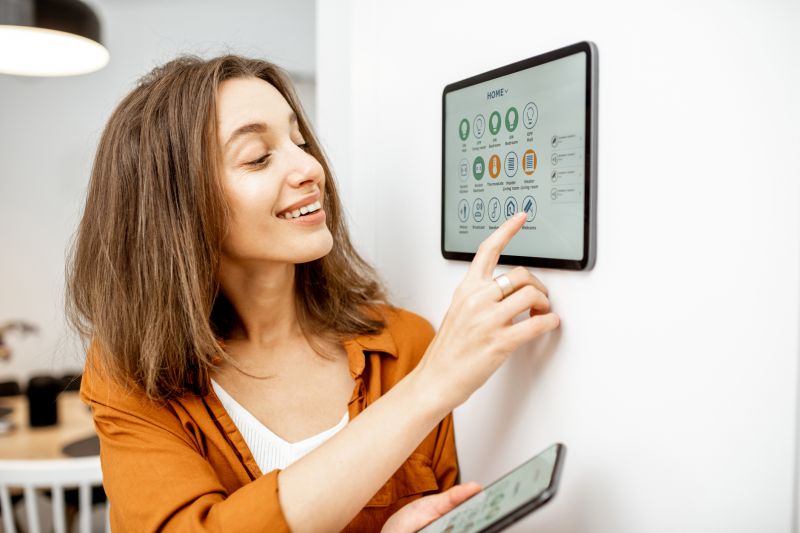
Smart home automation services are often sought by property owners looking to enhance convenience and streamline daily routines. Whether it's upgrading lighting controls, integrating smart thermostats, or setting up automated security systems, local contractors can help simplify these projects. Homeowners may want to improve energy efficiency, increase comfort, or add modern features that make managing a property easier, especially in busy households or for those planning to sell in the future.
Many property owners turn to local service providers when considering smart home upgrades to improve security or add remote access capabilities. Simple automation solutions can also help with managing appliances, controlling media systems, or setting schedules for various devices. These projects are typically driven by a desire for more control over the home environment and to incorporate technology that can enhance everyday living. Local contractors are available to assist with planning and installing these user-friendly systems.
What is smart home automation? Smart home automation involves integrating devices and systems in a home to enable remote control, scheduling, and automation of lighting, climate, security, and entertainment systems through connected technology.
How can smart home automation improve security? Smart home automation can enhance security by allowing homeowners to monitor cameras, lock doors remotely, receive alerts for unusual activity, and automate security routines for added peace of mind.
What types of devices can be automated in a smart home? Common devices include lighting, thermostats, door locks, security cameras, doorbells, and home entertainment systems, all of which can be integrated for centralized control.
Are there compatibility considerations for smart home devices? Yes, it's important to choose devices that are compatible with the existing home network and other smart systems to ensure seamless integration and operation.
How do local contractors typically install smart home automation systems? Local service providers usually assess the home’s needs, recommend compatible devices, and professionally install and configure the automation system for optimal performance.
Smart Lighting Control - Manage indoor and outdoor lighting with automated schedules or remote access to enhance convenience and security.
Thermostat Automation - Adjust heating and cooling settings remotely or set schedules to improve comfort and energy efficiency.
Security System Integration - Connect cameras, alarms, and sensors for centralized monitoring and easy control through a smart hub.
Voice-Activated Devices - Use voice commands to control lights, climate, and appliances for hands-free convenience around the home.
If you are thinking about Smart Home Automation for a property, this guide is meant to help you understand the work, the typical project types, and how different options might fit your plans.
When you are ready, you can use the quote form on this page to share a few details about your project. From there, local pros can review the basics and respond with options that match what you have in mind.